Blog
Has Your Business Outgrown Informal IT?


The business owner used to handle IT. Then someone internally took it on. There was an IT company involved too, but nobody really understood the Cisco Meraki setup. Now nothing’s documented, and every change feels risky.
It happens more often than people realise.
In the early days, the business owner handled IT themselves. They knew where everything lived, who had access, and how to keep things running.
As the business grew, IT became someone else’s responsibility. Maybe an office manager stepped in. Maybe someone in operations became “the IT person” because they were good with computers. Eventually, an external IT company was brought in to support the business.
On paper, that sounds like progress.
But over time, knowledge moved from person to person without being properly documented.
The internal contact left. The IT company changed. Systems evolved. New hardware was installed. Different people made changes.
And somewhere along the way, nobody was left who truly understood the infrastructure, especially the Cisco Meraki environment holding everything together.
Now you’re left asking questions nobody can answer.
Who owns the dashboard?
What’s connected to which switch?
Why does that VLAN exist?
Who changed the firewall rules?
Can we safely upgrade anything?
And suddenly a simple IT request becomes a business risk.
When Knowledge Lives in People Instead of Systems
Most businesses don’t intentionally create undocumented IT environments.
It usually happens gradually.
Someone makes a quick change during a busy week.
An external provider configures something but never explains why.
Documentation gets postponed.
Passwords get stored in email.
Network decisions stay inside someone’s head.
Then people leave.
What’s left behind is an infrastructure that technically works, but nobody feels confident touching it.
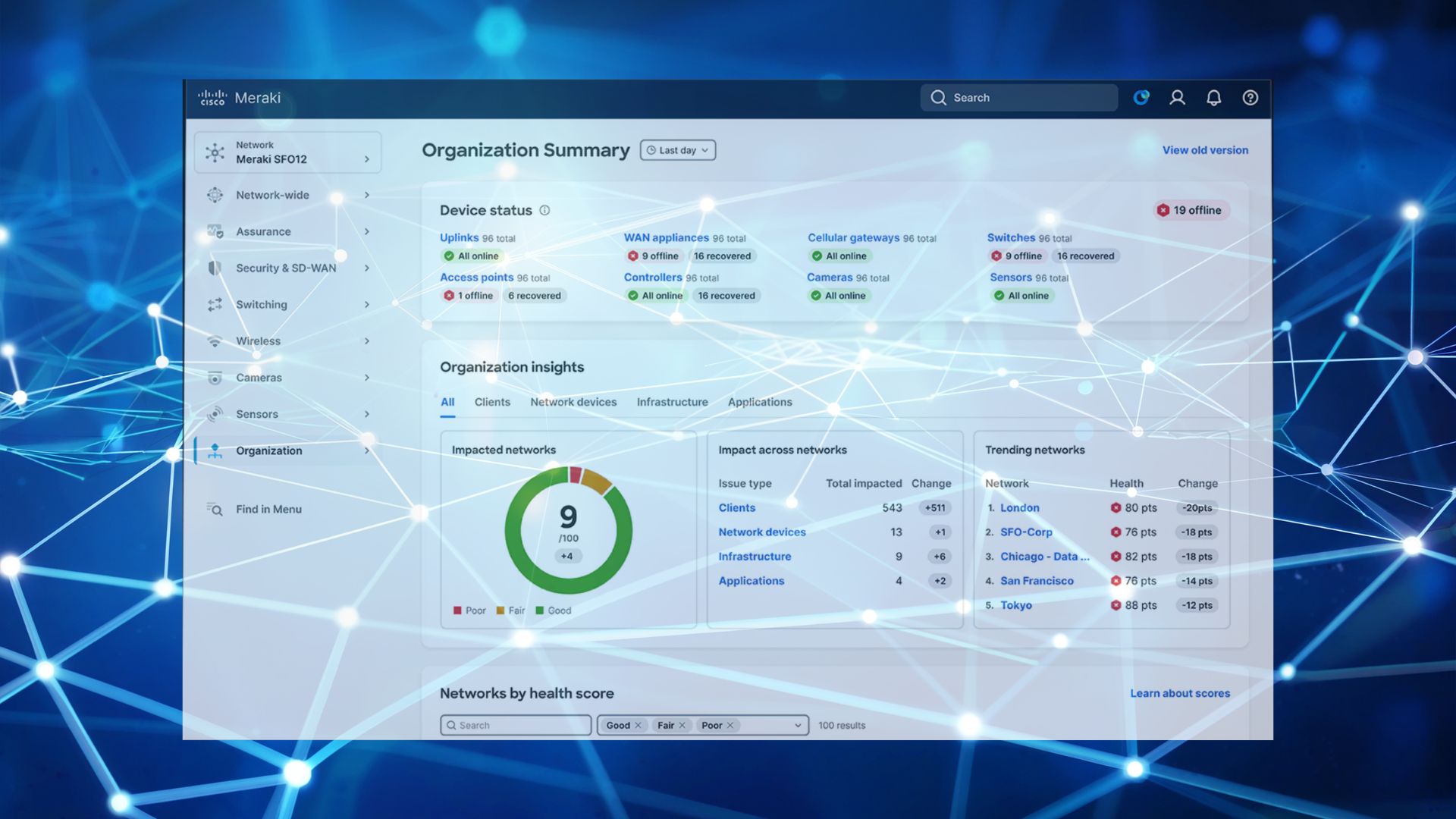
That’s particularly challenging with Cisco Meraki environments because they often look simple from the dashboard while hiding years of layered decisions underneath.
When Nobody Documents IT, Business Risk Builds Quietly
Missing documentation rarely causes problems immediately.
Most businesses continue operating normally for months, sometimes years, until a change is needed, something breaks, or growth demands more from the infrastructure.
That’s when the gaps appear.
Undocumented infrastructure creates real business problems:
- Changes take longer because nobody knows the impact.
- Troubleshooting becomes guesswork.
- Security gaps stay hidden.
- New suppliers spend time rediscovering information instead of improving systems.
- Internal teams become nervous about making updates.
- Business growth slows because technology becomes a blocker.
Eventually, businesses stop asking “How do we improve IT?” and start asking “Can we risk changing anything?”
That’s not where you want to be.
How G5 Technologies Helps You Regain Control
At G5 Technologies, we’re often brought in after years of informal ownership, internal handovers, and providers who supported the environment without fully understanding it.
Our role isn’t to criticise previous decisions.
Our job is to uncover what exists, document it properly, and make the environment manageable again.
We start with discovery.
We review your Cisco Meraki environment and connected infrastructure to understand:
- Dashboard ownership and access
- Network topology
- Switching and wireless configuration
- Firewall and security policies
- VLAN structure and IP addressing
- Licensing and renewal status
- Dependencies across sites and services
Then we document everything.
Not just what exists, but why it exists.
That means future changes can happen confidently, whether managed by us, your internal team, or both.
Contact Steve to book a friendly chat.